Colorbond Fence Price Per Meter: Steel Scale Considerations
When people ask me regarding Colorbond fence price per meter, they normally want one number. They want it swiftly, and they desire it to be accurate sufficient to devote. The tough part is that the "price per meter" figure is not simply a reflection of the sheet colour or the fence style. It is heavily formed by the steel scale, the frame system, and a handful of build selections that look little on paper yet show up on site.
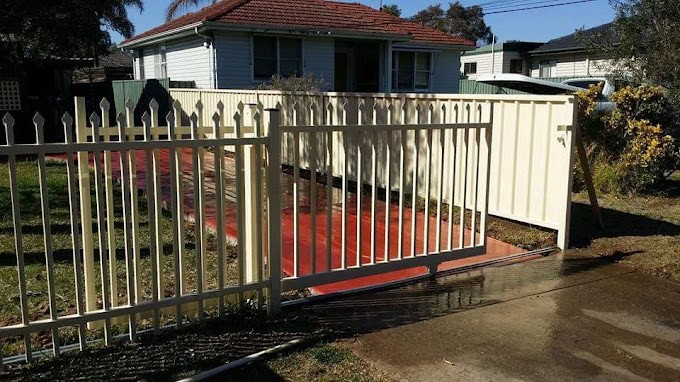
In high-end builds, the discussion changes slightly. It is still about price, yet it is likewise regarding restraint and durability. A fencing is not just a boundary, it belongs to the style. The steel thickness and supporting structure quietly determine whether the fencing reviews as crisp and composed, or whether it begins to look tired long before it should.
Let's walk through just how steel gauge influences Colorbond fence cost, what you can anticipate to pay per meter, and just how to compare quotes without getting misdirected by advertising and marketing language.
What "per meter" actually indicates in a Colorbond quote
A Colorbond fencing price can look uncomplicated up until you see how various companies determine. "Per meter" might refer to the length of fence gauged along the property line, or it may consist of allowances for start and stop blog posts, gateway openings, return sizes, and corners. Some quotes also different product and mount. Others mix them into a single figure.
This matters since steel scale only impacts the expense where the quote actually defines it. If one quote includes thicker steel and a better framework, yet the base per-meter number is lower due to the fact that it omits gateways, article kind, or details fixing systems, you are not comparing like with like.
If you have 2 estimates on your desk that both claim Colorbond fencing price per meter, the fastest way to sanity-check them is to compare the scope handwritten:
- panel kind and layer schedule
- post spacing and blog post size
- capping and bracing details
- gate incorporations or exclusions
- and, crucially, the steel specification.
Once that is clear, steel scale comes to be the vital lever you can in fact measure.
Steel scale is not a small information, it is the backbone
Steel gauge is the "weight class" of the sheet. Thicker steel typically implies better stiffness and much better resistance to denting and waviness. In fencing terms, that stiffness influences how right the panels remain, particularly between blog posts. It also impacts just how the fence responds to push from wind, effect from particles, and the daily bumps that are unpreventable in real life, not brochures.
Here is the lived fact I have actually seen over and over: two fences can be mounted at the exact same height with the exact same colour, and one looks drastically tighter after a few months. The distinction is commonly not workmanship alone. It is the mix of steel scale and how well the framework is sized to suit it.
A lighter gauge sheet may be acceptable if the panel periods are brief and the framework is correctly supported. The same lighter scale sheet can look and act badly if the periods are broad or the correctings and rails are underspecified. So scale is very important, but it functions as a system.
How scale transforms the "look" of the fence
A thicker steel sheet generally holds its account much better. That shows up as:
- cleaner panel lines
- less "oil-can" result when sunlight hits from an angle
- fewer minor distortions after installation
- and better durability to influences like ladder contact, grass device collisions, or a wayward gateway slam.
Luxury clients often see these things rapidly. They may not claim "steel scale," but they will certainly say the fence looks "strong" or "ended up" in such a way that feels expensive, due to the fact that it is.
The expense partnership: thicker steel normally costs even more per meter
In plain terms, Colorbond fence cost has a tendency to rise as steel gets thicker. The factor is simple: even more raw material and often much better efficiency needs mean greater supply expenses. Setup can also set you back even more indirectly. Thicker material can transform handling, dealing with patterns, and often the frame spec required to support it.
But the greatest prices catch is assuming the per-meter number is just about the sheet. Some quotes consist of thicker gauge with heavier articles and tighter periods. Others may list a scale number for the sheet yet leave the supporting structure leaner. That can squash the quote or make it look competitive on the first day, after that show compromises later.
A realistic contrast circumstance (illustratory, not a warranty)
To describe exactly how the numbers can relocate, here is an instance based upon normal budgeting reasoning instead of any kind of single merchant's pricing.
Imagine you're pricing a straight run of fence and you obtain 2 comparable quotes:
- Quote A: lighter gauge sheet, standard blog post spacing, standard capping
- Quote B: thicker scale sheet, tighter span spacing, updated rail thickness and end bracing
If Quote A lands at a Colorbond fence price per meter of around $90 and Quote B lands around $115, the difference is about $25 per meter.
Now take a 20 metre run. Quote A would certainly amount to $1,800, Quote B would complete $2,300. That $500 void is not practically steel. Sometimes it is, however frequently it is the system around it. If the thicker gauge quote also reduces panel distortion and enhances tightness, you might be spending for a fence that stays "best" longer.
In a deluxe context, that compromise frequently feels reasonable since fences are tough to "upgrade later" without rework.
Where scale matters most: spans, wind zones, and exposure
Steel density has a bigger impact when problems are demanding. If you live someplace with stronger seaside winds, constant storms, or open exposure, gauge and rigidity come to be more than a preference. In a similar way, if your fencing design makes use of longer runs between articles, thinner steel can bend more.
A strong fencing is not just thick sheet. It is appropriate post spacing, rail sizing, and correct dealing with. When those are straightened, a thinner scale can still perform well. When they are not, thicker gauge can be the distinction between a fencing that looks crisp and one that looks slightly "soft" under particular light.
The usual circumstances I've seen drive gauge decisions
There are a couple of persisting circumstances where gauge becomes a headline point in the quote:
- Elevated websites where wind stress raises across the fence face
- Coastal properties with salt exposure, where individuals are trying to increase long-lasting appearance
- Properties with youngsters, pet dogs, or routine task along the boundary
- Sites where demolition or landscape design makes unintended effects most likely in the initial year
None of these automatically call for the thickest scale readily available. Yet they do raise the cost of picking a thinner sheet because you will feel the repercussions sooner.
Comparing Colorbond fence price versus Colorbond fence cost per meter
It is easy to obtain tangled in terms. You'll see expressions like Colorbond fencing price, Colorbond fencing cost per meter, Colorbond fence price, or Colorbond fence cost per meter. The wording modifications, however the complication normally comes from what is included.
A higher Colorbond fencing price may in fact be cheaper once you represent:
- how numerous posts are consisted of in the priced estimate length
- whether gate frameworks are included
- whether corners and returns are valued at a fixed rate or dealt with as extras
- and whether site problems influence labour time.
When you hear "per meter," ask whether corners are counted, whether gain access to concerns impact labour, and whether the scale specification is composed plainly. You do not desire an unclear line like "Colorbond panels based on standard." Criterion for one business can suggest something materially various to another.
The frame and attaching details that magnify or weaken gauge
Steel scale does not operate in isolation. Two fences with the same gauge can have extremely various results if the framework differs. Rails, messages, spacing, and bracing figure out how much the sheet can relocate under stress.
Fastening matters too. Right correctings, correct alignment, and regular fixing points affect how the sheet rests. Poor dealing with can create local stress, leading to premature cosmetic concerns like small buckling around fixing points.
From a deluxe viewpoint, this is where you spend for the silent competence. A fantastic fencing reads as willful. You can see the straightness, and you can feel it when you stroll past it.
Practical means to review scale high quality without guessing
You can definitely contrast quotes intelligently without requiring to come to be a products designer. The key is to demand clarity and after that translate it like a property owner with standards.
Here are a couple of things to ask that in fact relocate the choice, rather than generic "just how much is it?"
- What steel scale is defined for the infill sheets, and is it created on the quote?
- What are the blog post spacing and rail sizes for that gauge selection?
- Is the panel period flexible, and how does it alter the last price per meter?
- Are gateways included in the Colorbond fence cost per meter, or omitted as different items?
- Is there a separate line product for articles, capping, and bracing so you can see where price changes?
That last point is especially important when you are comparing Colorbond fence price with an additional installer. If one quote is "all in" and the various other is damaged down, you may have the ability to reconcile them and find out what the density difference actually costs.
Typical gauge trade-offs, discussed in plain language
There is a wonderful place for the majority of people, but it is not global. In practice, the thicker end prices more upfront. The thinner end can look fine for a while, after that show minor waviness or dents sooner, specifically if the fencing is exposed or obtains routine impacts.
Below is a straightforward method to consider the compromises, without pretending there buy Colorbond Bunnings is one magic gauge that fits every job.
- Thicker steel: finest stiffness and effect resistance, generally greater price per meter
- Middle-range steel: well balanced rigidity and cost, typically the wonderful spot for rural builds
- Lighter steel: reduced in advance expense, however more conscious wider spans or harsh website problems
- "Very same gauge, different framework": can exceed a thicker sheet if blog posts and rails are better specified
That last line is the one that changes end results. If an installer prices boldy by loosening periods while utilizing thinner steel, you might still end up with a fencing that really feels less costs than the numbers suggested.
How setup impacts the last Colorbond fence price per meter
Even with the same scale, setup quality can alter what the fencing resembles and just how it resolves after the task. Post placement, excavation, concrete, supporting, and sequencing all impact straightness and stability.
If you want a deluxe finish, this is where you ought to listen. A well-installed fence with suitable scale can look remarkable for years. A fencing mounted quickly, with corners and blog posts treated as afterthoughts, can look "ordinary" also if the steel is thicker on paper.
Wind, ground problems, and website gain access to additionally alter labour time. Steeper websites can take longer. Narrow gain access to can increase taking care of time. If your quote represent these correctly, your per-meter number becomes more meaningful.
An instance spending plan: what adjustments when you choose a thicker gauge
Let's usage a situation to make the compromises tangible.
You desire 18 metres of fencing with standard height and simple access. You receive two quotes:
- Quote A (lighter scale): Colorbond fence price per meter at $95
- Quote B (thicker scale): Colorbond fence price per meter at $125
So the overalls are:
- Quote A: $1,710
- Quote B: $2,250
The difference is $540.
Now consider where that additional money can be going, past steel. If Quote B consists of tighter message spacing, more powerful supporting at corners, or enhanced rails, after that the added expense is acquiring stability and appearance. If Quote B is truly just thicker sheet, after that the worth relies on exactly how revealed and active your limit location is.
In a high-end setting, thicker gauge commonly aligns with expectations. People often tend to invest a lot more on the elements they see every day. A fencing that remains aesthetically tight, dent-resistant, and made up under tilted light is one of those elements.
Hidden costs that can distort "price per meter"
One factor individuals really feel burned is that the priced estimate per-meter rate can hide bonus that arrive later on. A thicker scale quote might look costly up until you see it consists of more elements, or up until the various other quote omits them.
Watch for:
- additional articles for gateways and returns
- corner and topping upgrades
- changes as a result of irregular ground
- delivery and access charges
- and whether removal and disposal are included.
If you contrast Colorbond fencing cost and Colorbond fencing cost per meter in between business, make sure you are comparing the same inclusions. Steel gauge is one variable, yet the last price is a blend.
Choosing the appropriate scale for a "deluxe" outcome
A deluxe fence is not just about optimum thickness. It has to do with selecting a setup that looks calculated, stays directly, and resists the real world. Occasionally that indicates picking thicker steel. Occasionally it implies selecting the proper frame system and demanding good taking care of practices.
In my experience, the best results take place when you treat gauge as component of a plan:
- sheet stiffness
- post spacing
- bracing strategy
- and setup quality
If one quote only tells you "Colorbond" and a per-meter number, it is not nearly enough. If one more quote defines the steel scale, reveals a consistent frame technique, and discusses just how they preserve straight lines throughout the entire run, you are more detailed to a costs outcome.
What to seek in the documentation, not just the sales pitch
Premium prices can be justified, however it needs to be defensible in composing. If you want to secure yourself when comparing Colorbond fence cost and Colorbond fencing price, ask for paperwork that reveals the develop intent.
You're searching for quality on:
- the steel gauge or spec for the infill panels
- the article and rail design that supports that gauge
- the dealing with and covering arrangement
- and the precise dimension basis for the per-meter rate
If a quote can not clearly specify the scale, it is a warning. If it specifies the scale however does not define exactly how the framework is sized for it, you still have an inquiry to answer.
The profits: scale drives performance, however the quote drives trust
Colorbond fence price per meter is a valuable starting factor, but steel gauge is the hidden reason the fence will certainly perform like it looks. Thicker steel typically increases the upfront Colorbond fence cost, and it often improves the fencing's rigidity, dent resistance, and aesthetic quality over time.
The deluxe approach is to take notice of what the scale is coupled with. A thinner scale in a well-engineered frame can surpass a thicker sheet in a loose framework. On the other hand, a thicker scale coupled with tighter spans and solid supporting often tends to deliver that "constantly straight" really feel that property owners notice.
If you remember something while contrasting quotes, make it this: request for the gauge and the structural information with each other, after that compare the fence as a system. That is just how you move from a complicated per-meter number to a choice you really feel great about.
And when you do, the fence quits being a line item and begins looking like component of the property's design, not just the border that happens to be there.